Coming soon · The Shariton Bodysuit
Santa Monica · 1979 — today
The art of athletic fashion — how an Alsatian waiter with 200 francs built the brand that shaped women's activewear.
Chapter one · 1979
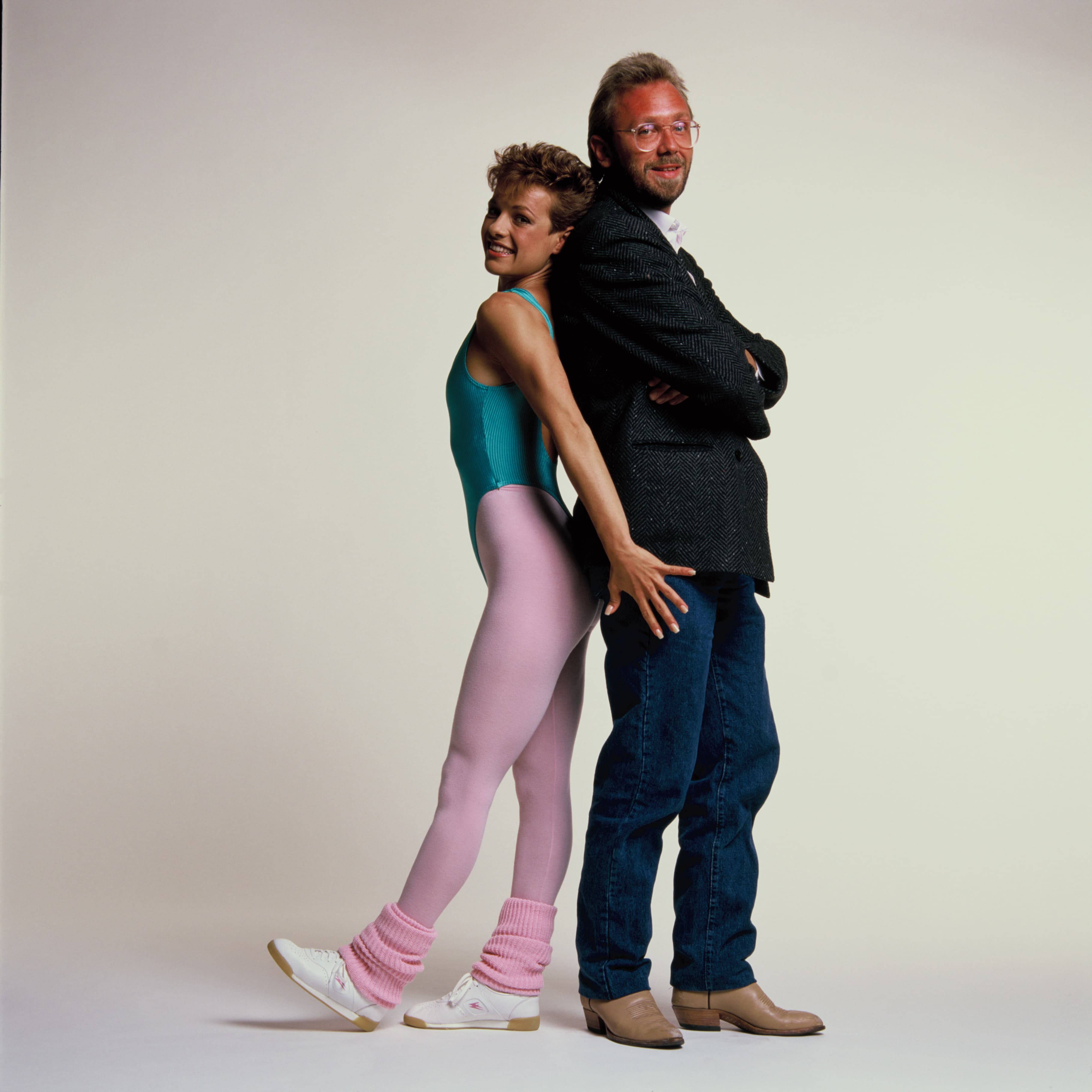
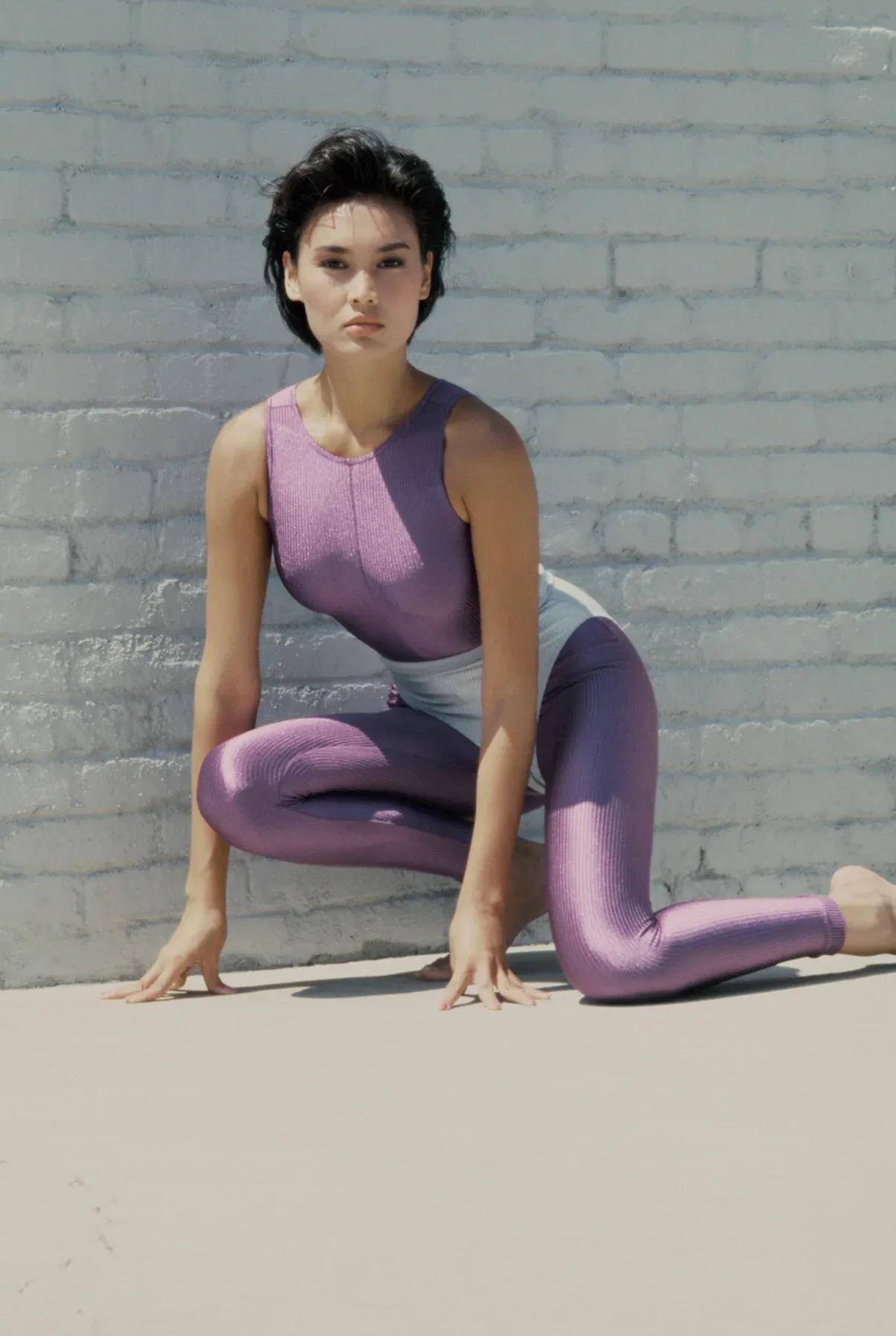
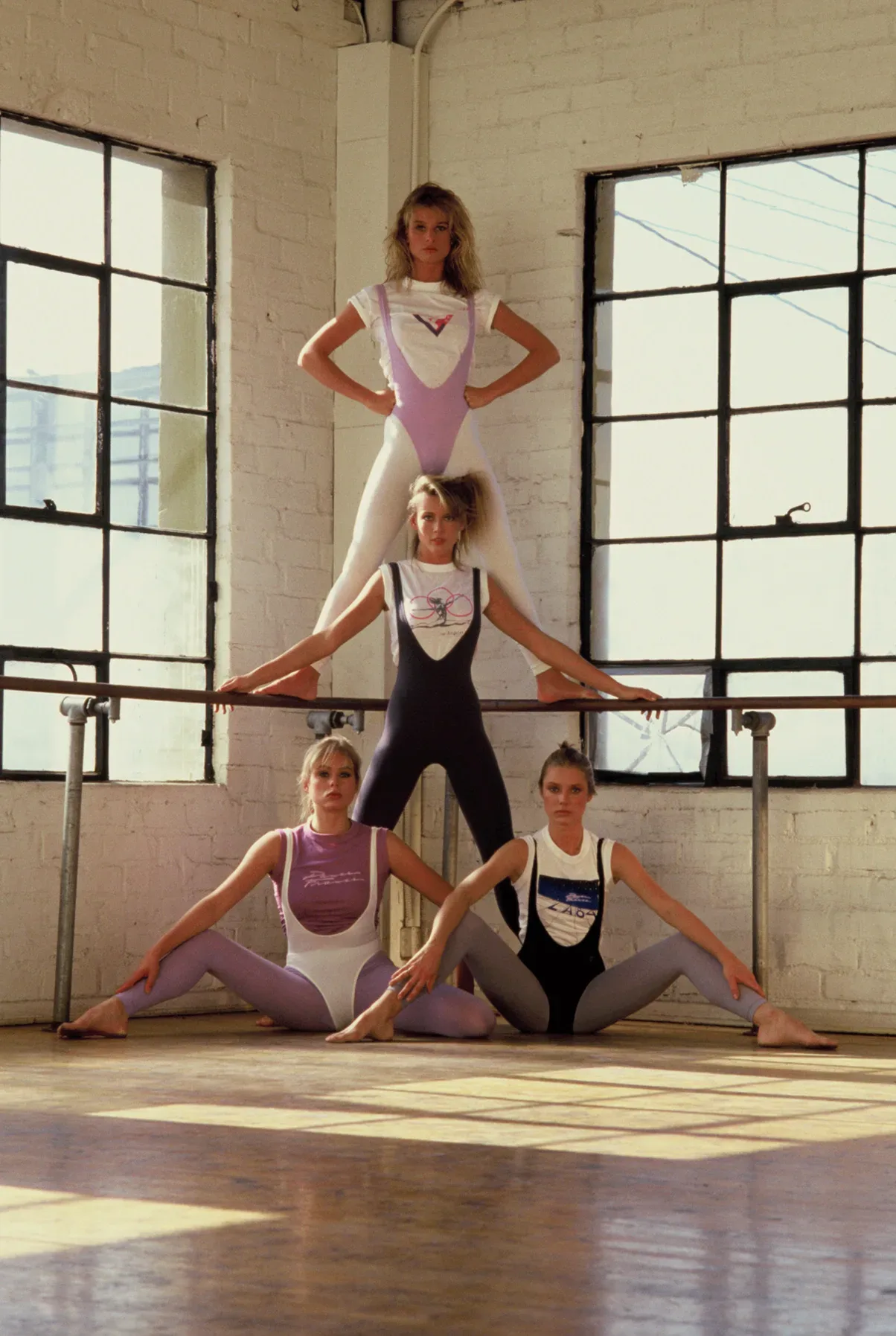
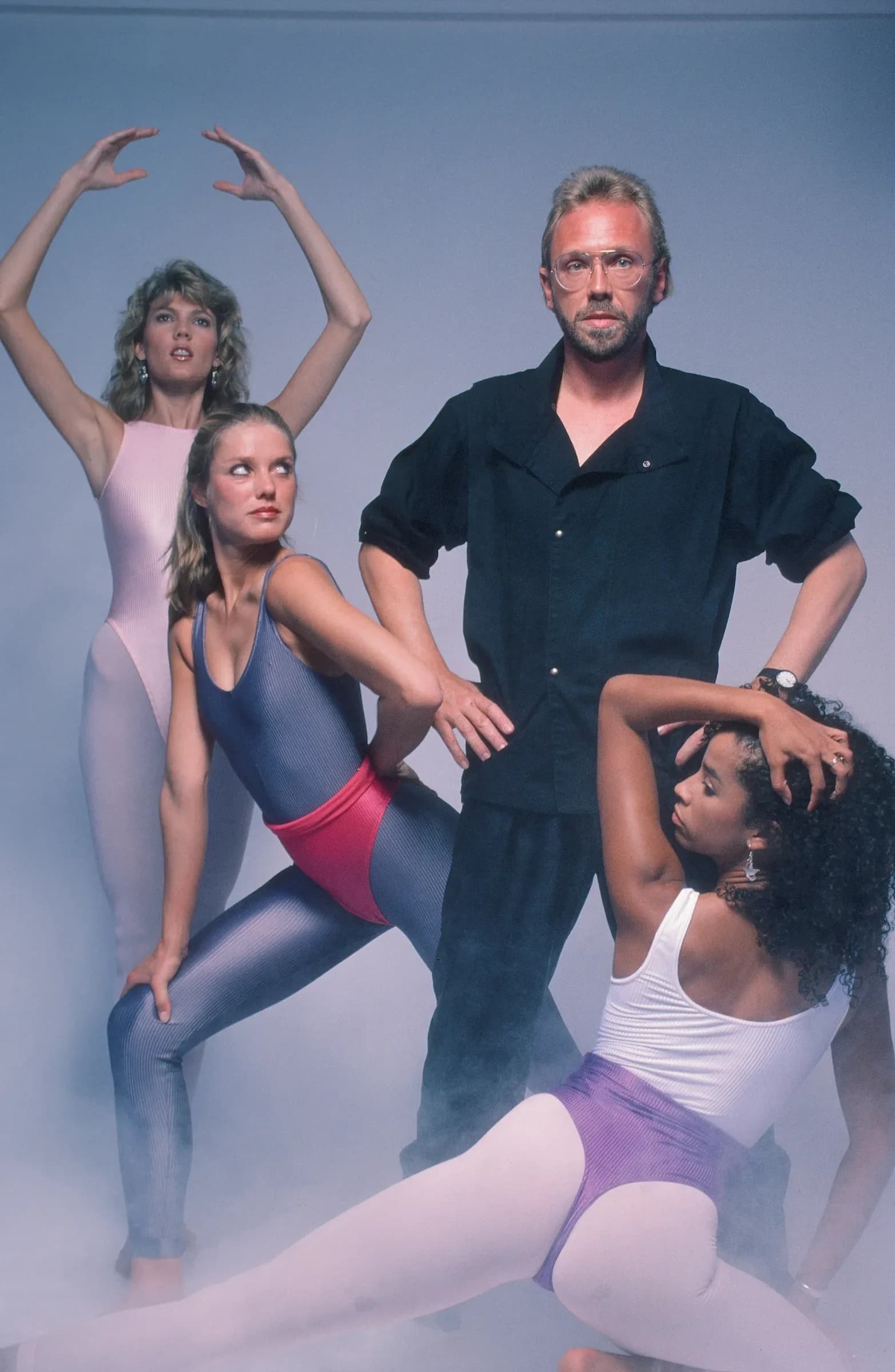
Back in the 1980's Francois Geis was easy to find at the company's main offices in Santa Monica, California where he spent most of his time dreaming up graceful dance and gymnastics- clothes in space age fabrics and subtly radiant colors that gleam on the contours of a woman's body.
Dance France originally made its reputation with dancewear made of cotton and spandex. That was shortly after Geis founded the company in 1979.
His designs rocketed to popularity when women began flocking by the thousands, all over the country, to sweat and stretch their way to fitness in America's dance studios. In those days, as he says, there was competition virtually only from Danskin, that venerable giant of bodywear companies.
"The market was wide open and I thought I could find a segment of the industry for myself."
200 F
The sum his godfather gave him to accept the challenge
$800
A month, waiting tables at The Rose Café in Santa Monica
$10,000
A month by 1986, six years later
1985
Grace Jones wears Dance France in A View to a Kill
Chapter two · Before the house
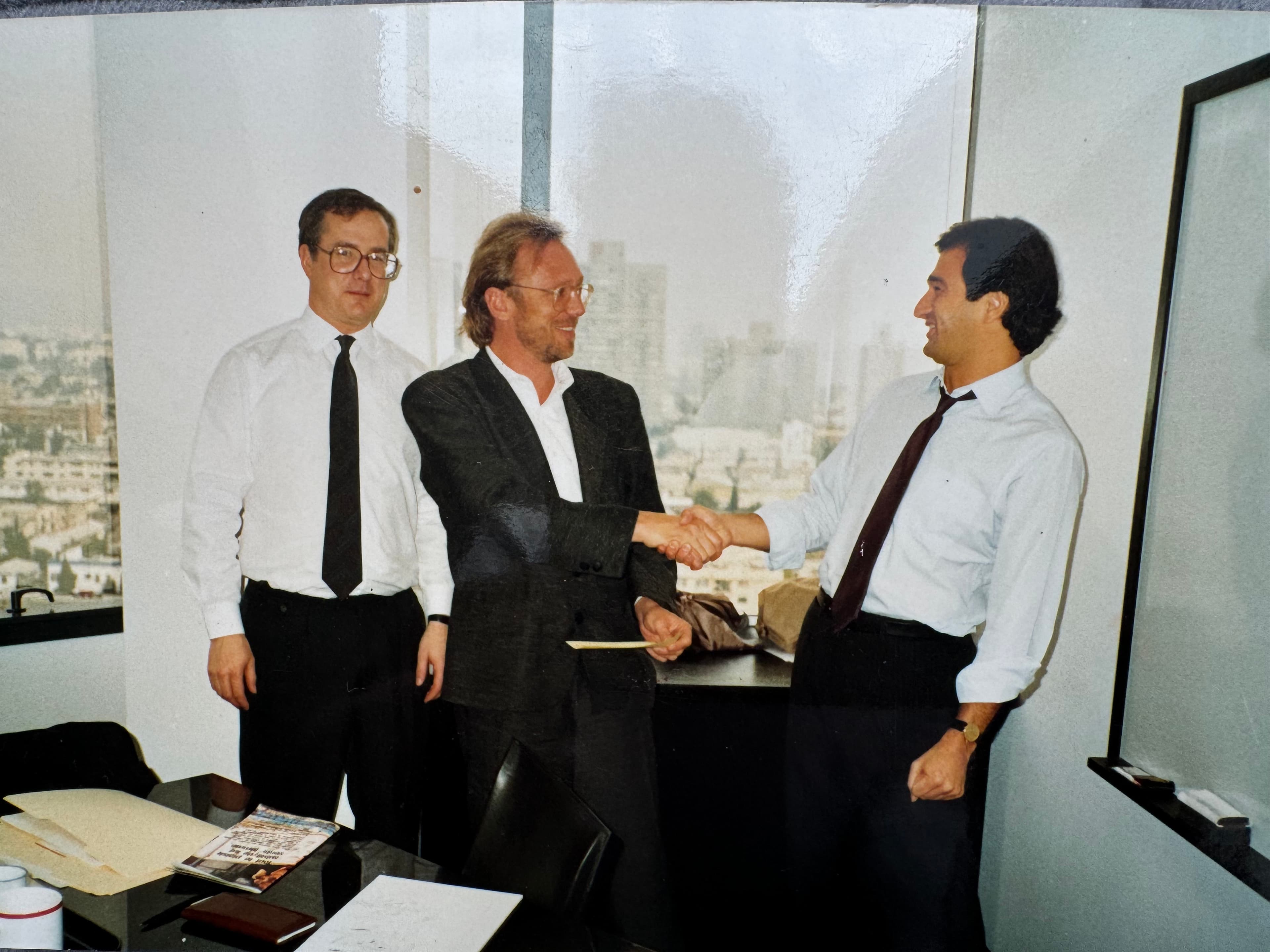
François Geis, an Alsatian, arrived in Los Angeles at 28 years old—already with quite a past. Born in Guebwiller, he traveled extensively, perhaps a bit too much in the eyes of his family.
Upon returning, he only thought about leaving again. He talked about adventures from the four corners of the world before dreaming of the California highs. A bit exasperated by what he considered a lack of maturity, his godfather gave him 200 francs. François accepted the challenge. He went to Paris, worked tirelessly, saved enough to afford a one-way ticket to Los Angeles, where he landed and immediately started working as a waiter at "The Rose Café" in Santa Monica for $800 a month.
Six years later, in 1986, he was earning $10,000 a month and owned a white Ford Cobra, a black convertible Mustang, and a purple Chevrolet! He would continue to frequently dine at "The Rose Café," holding his business meetings there.
Chapter three · 1983
Francois began creating designs that were "at once clean and classical - but with a touch of zing." Dancers loved his garments. So did women in every kind of fitness class - and in every kind of solitary aerobics pursuit. Geis introduced a vibrant and flattering polyamide textured fabric in early 1983.
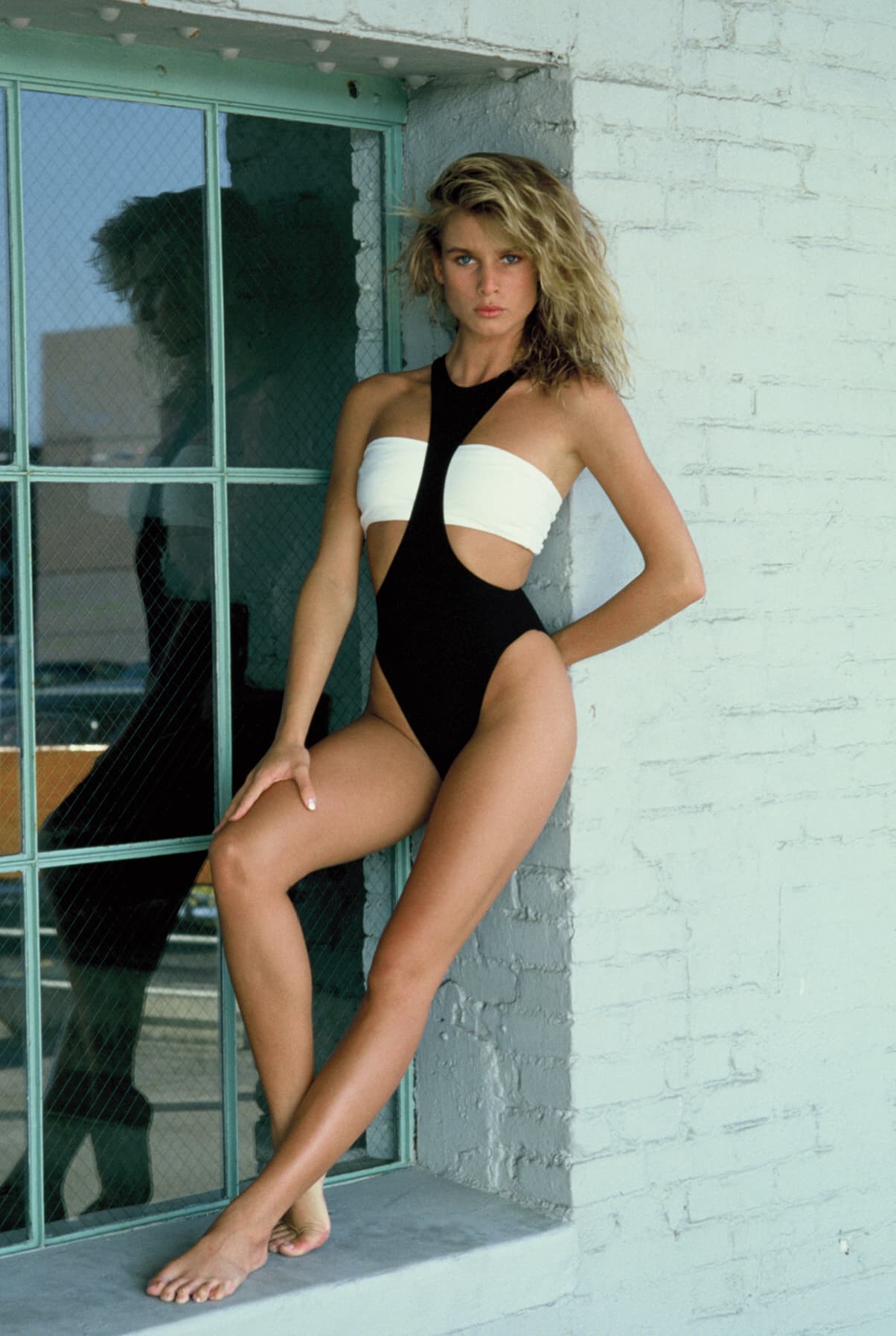
He's not a dancer himself - didn't even partake of the prolific aerobics classes of Southern California. But he grew up skiing and his current activities include running, cycling and swimming - all sports that are leading him into a new line of swimwear and triathlon suits scheduled to debut in spring 1985.
"The body is like a precision machine, and you must take care of it."
Chapter four · 1985
The Dance France leotard made an iconic appearance in the James Bond film A View to a Kill (1985), worn by the legendary Grace Jones, showcasing the brand's bold and timeless design alongside one of cinema's most unforgettable characters.
It was François who merged thong and leotard designs together, creating a unique style and feel for all dance studios and women gymnasts.
Chapter five · The Danskin years
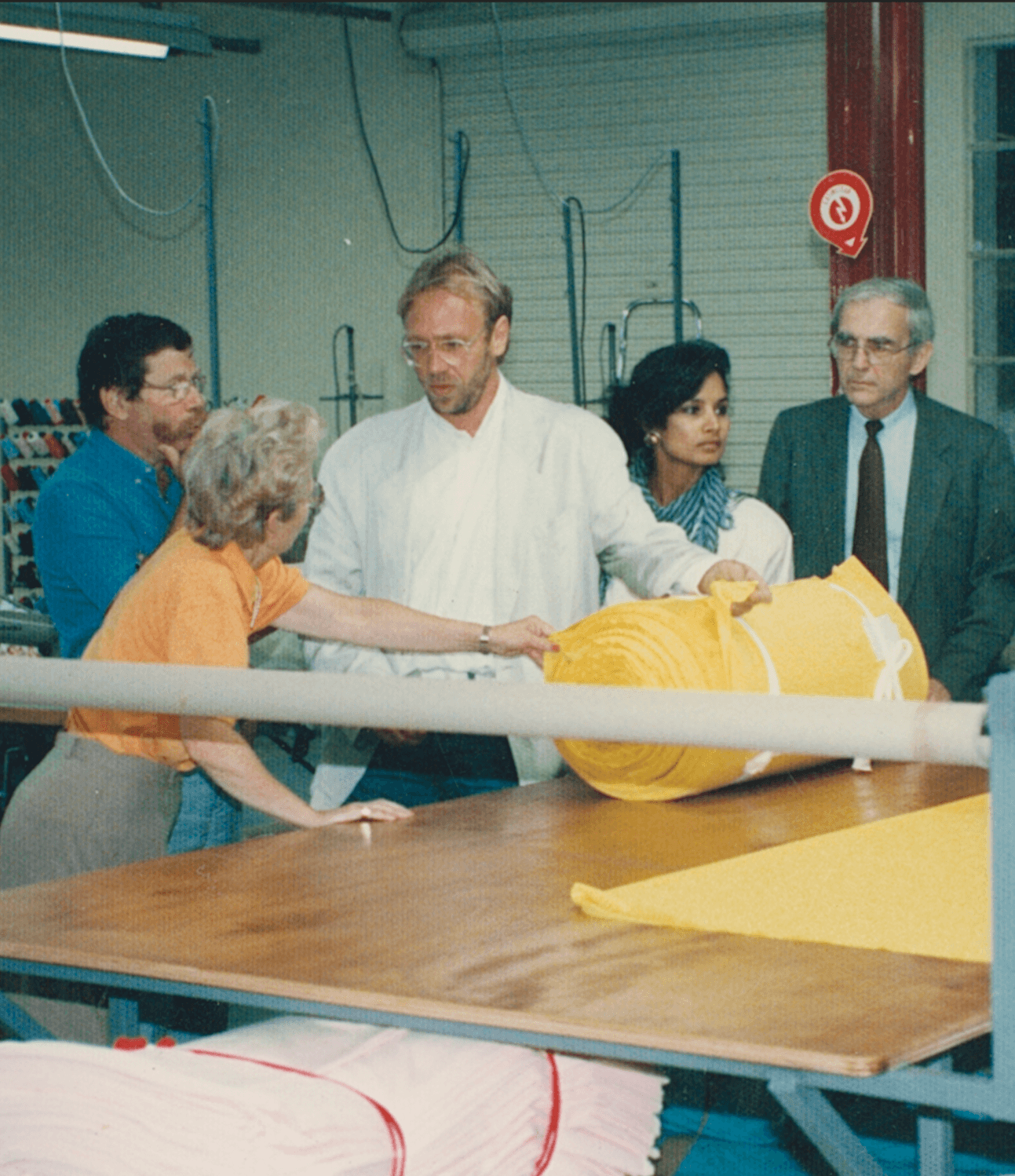
After over a decade of thriving in the LA fashion business, François was approached by Danskin and sold Dance France to the biggest competitor in the 1980-90s, after having created such success and presence in the fashion industry. When Dance France was sold, Danskin struggled with manufacturing in France and would not comply with François's vision for French fabrics and designers. The brand was eventually shut down years later.
In many ways, DanceFrance was responsible for shaping the future of women's activewear in today's world.
François was an innovator and creator who helped shape future generations of women's activewear in the fashion industry. Many of his designs and styles are still being used and recreated today.
Chapter six · The man
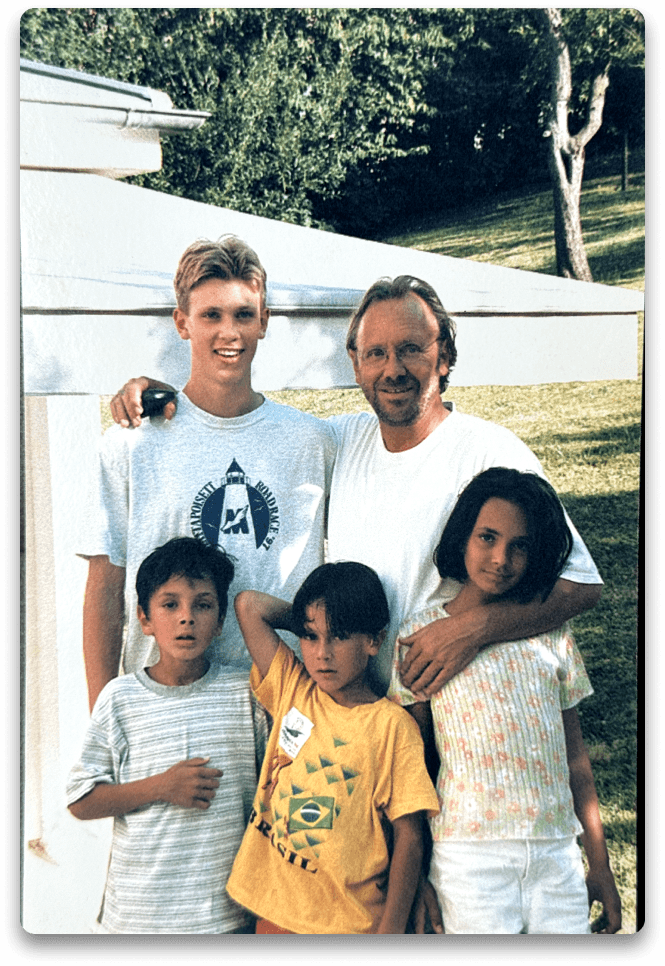
François Geis lived a fast-paced life and was a loving father of four children, putting his passion and energy into everything he did. François was always recognized for being a loving and generous person.
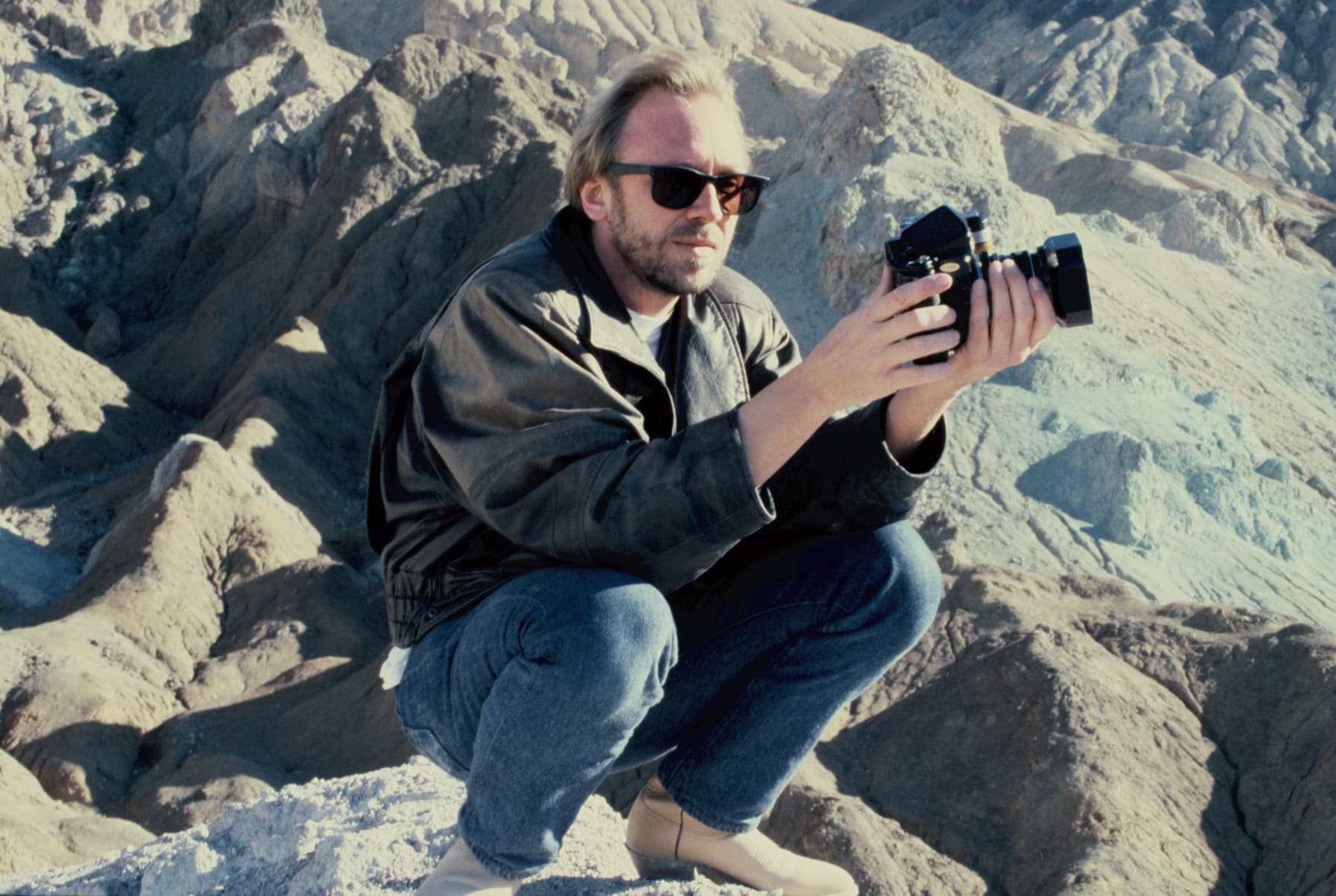
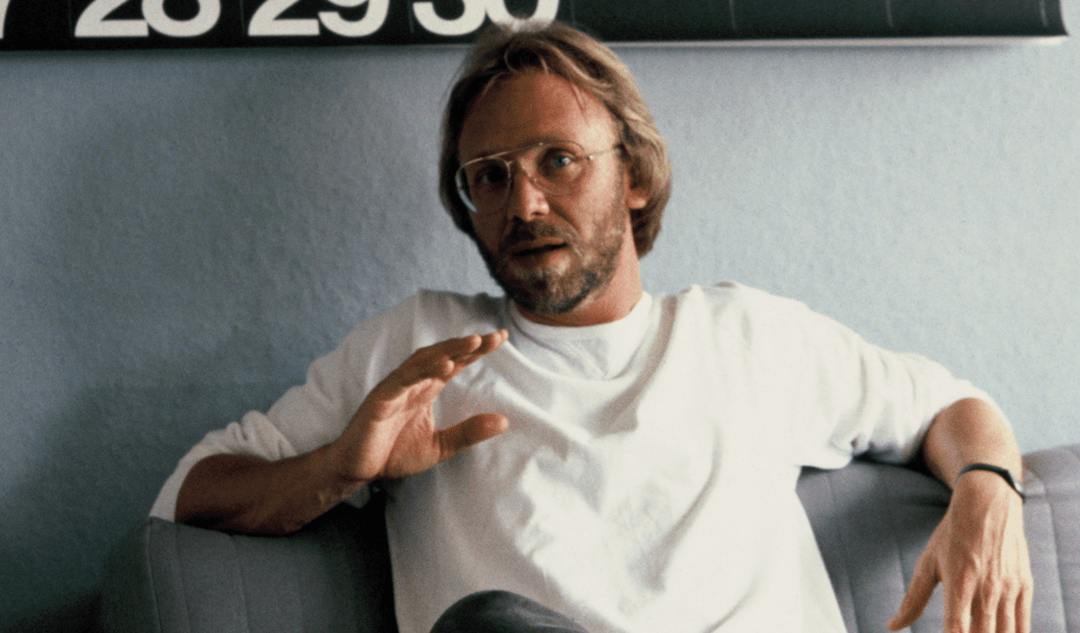
"Everything is pushed to the extreme here, physically and mentally. I use the energy to create. More people today are on the right track and if I can help even a few of them to become more motivated, that's what it's all about for me."
François Geis · 1952–2023
Still made today
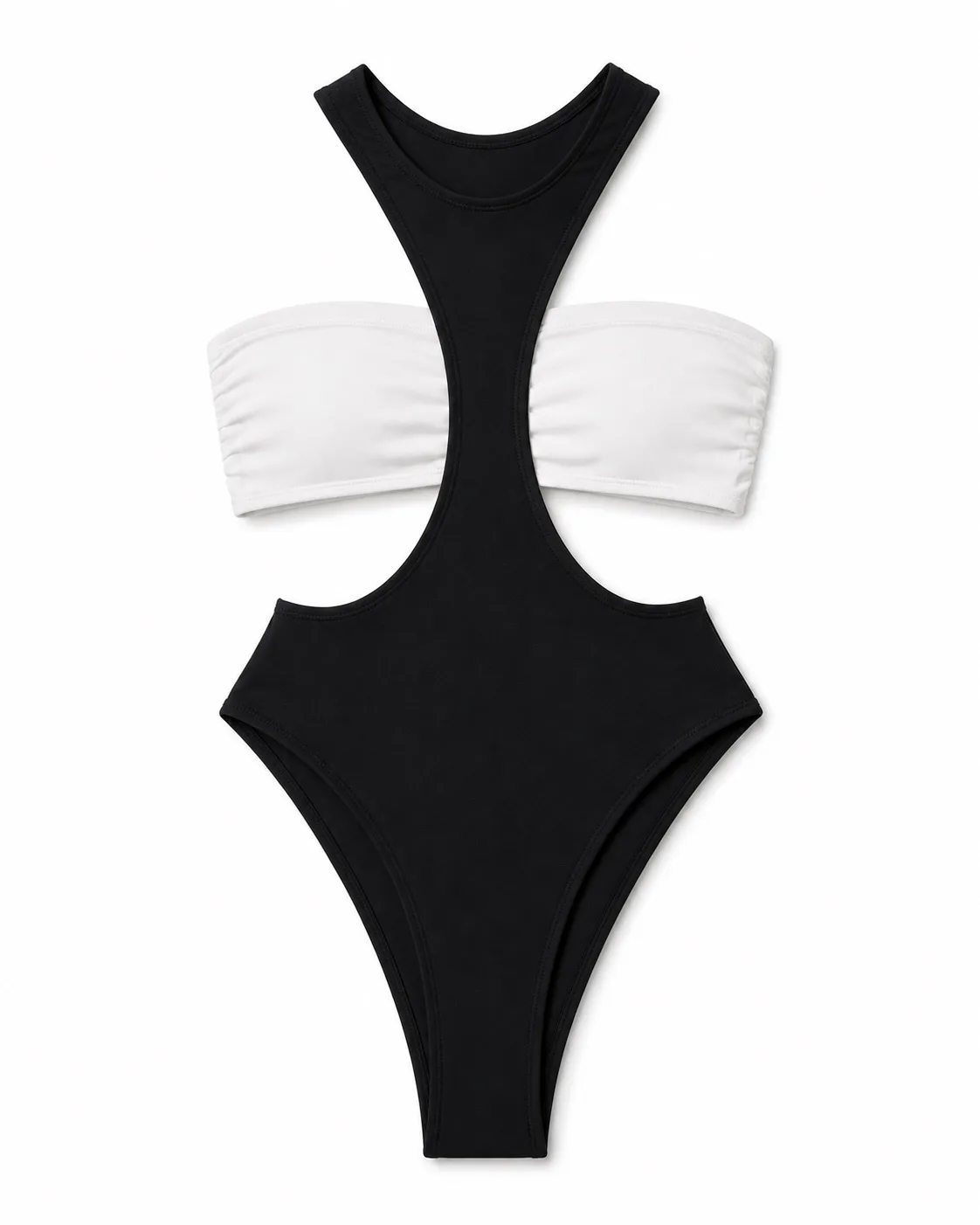
Signature Leotard
4 colours
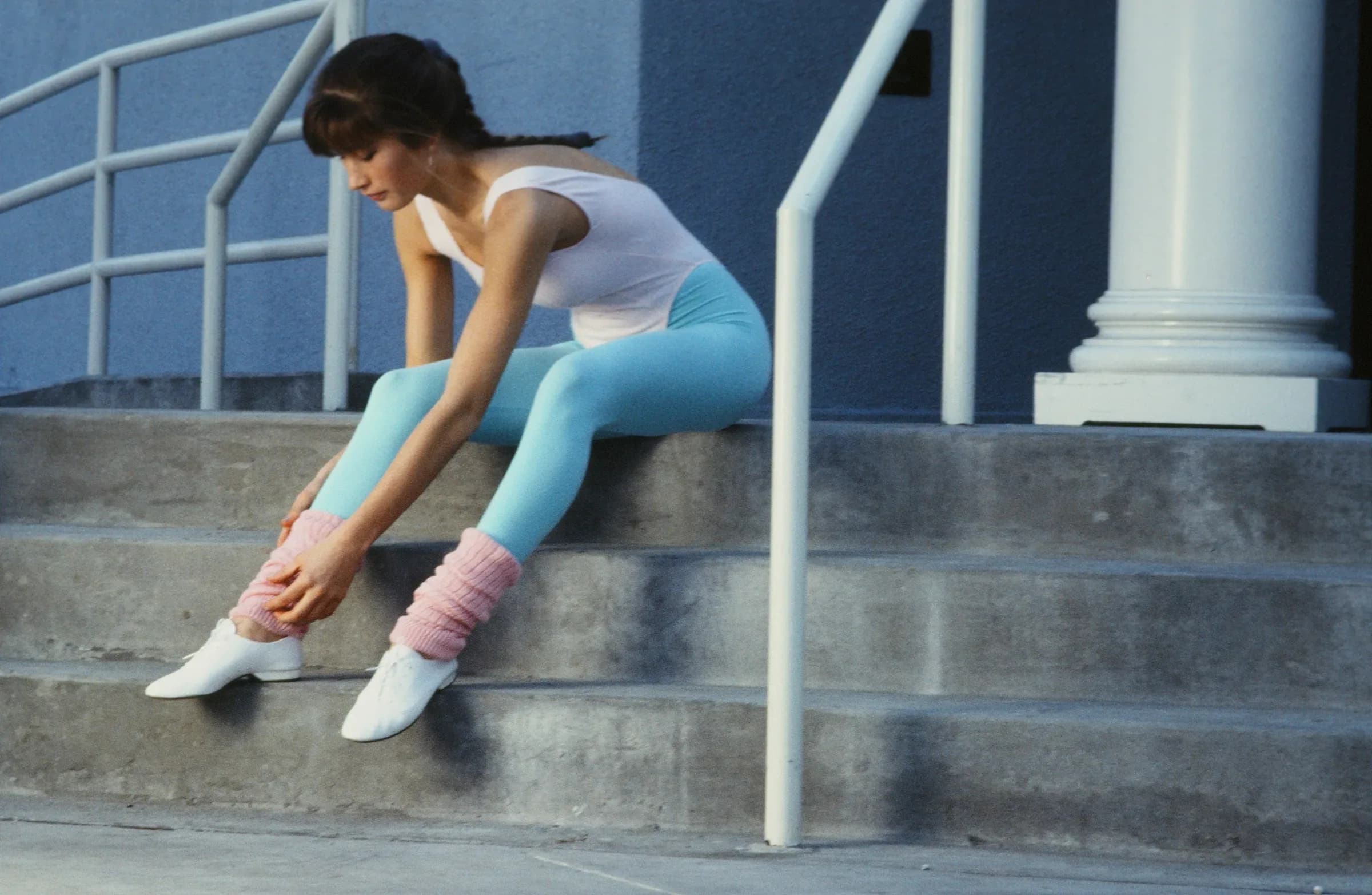
Textured Tights
The 1983 fabric
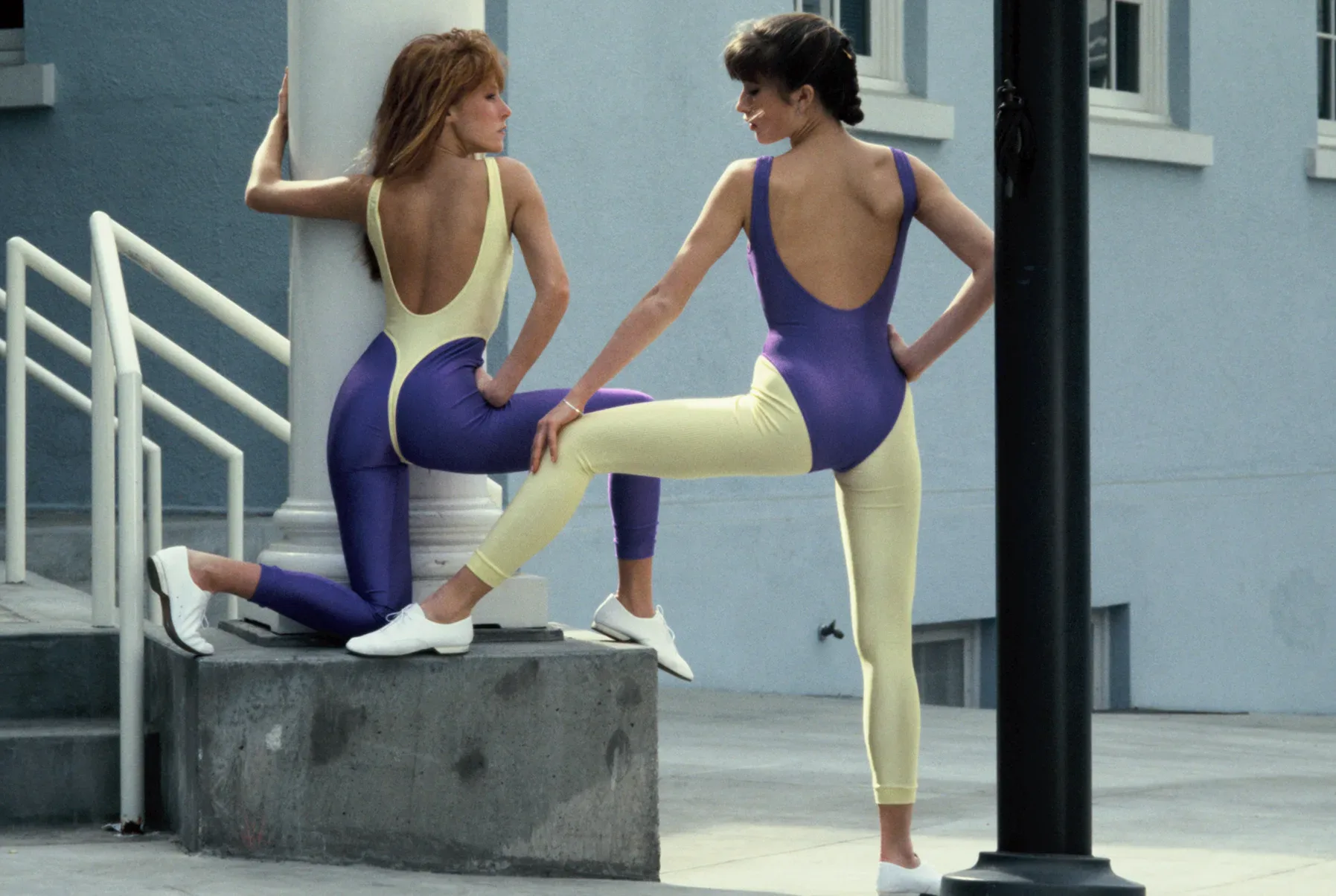
Studio Bodysuit
Thong-leotard cut